
How Real Estate Photography is Evolving Day by Day?
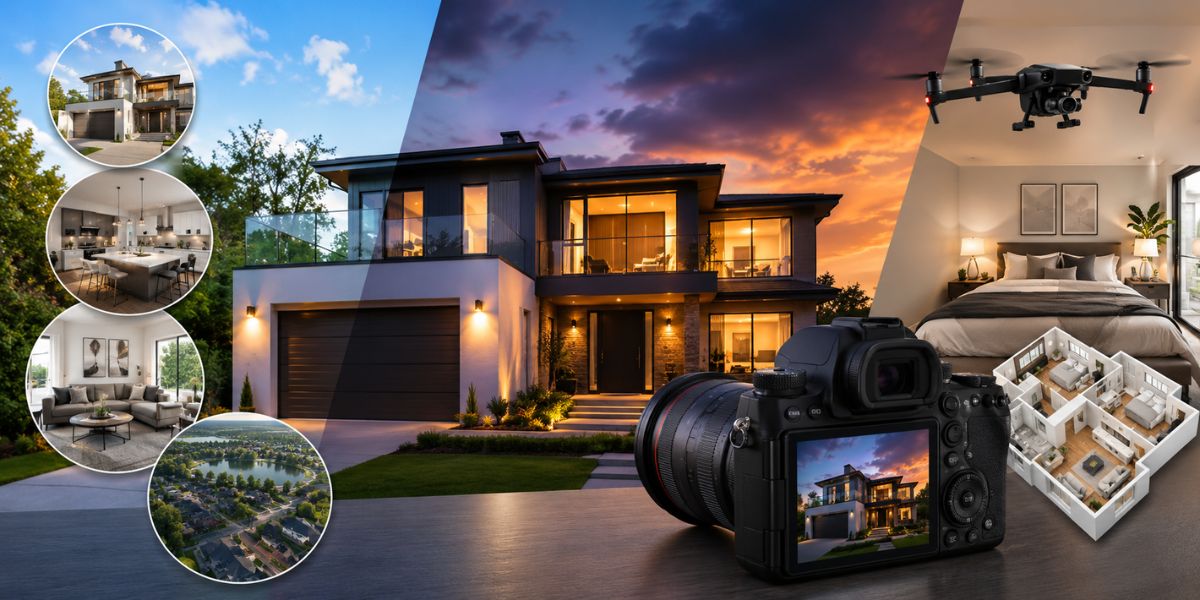
The real estate industry is evolving faster than ever, and visual marketing has become one of the most powerful tools for attracting buyers online. In this year buyers expect listing photos that look polished, immersive, and emotionally engaging. That’s why modern Real Estate Photo Editing is no longer just about brightness and color correction, it’s about creating a complete visual experience.
From AI-powered enhancements to cinematic walkthroughs, the latest Real Estate Photo Editing Trends are helping agents, photographers, and property marketers stand out in a highly competitive market. Professional editing companies like Singlesnaps are leading this transformation by delivering high-quality edits that make properties look more attractive and market-ready.
10 Real Estate Photo Editing Trends Shaping the Industry
1. Day-to-Dusk Conversions
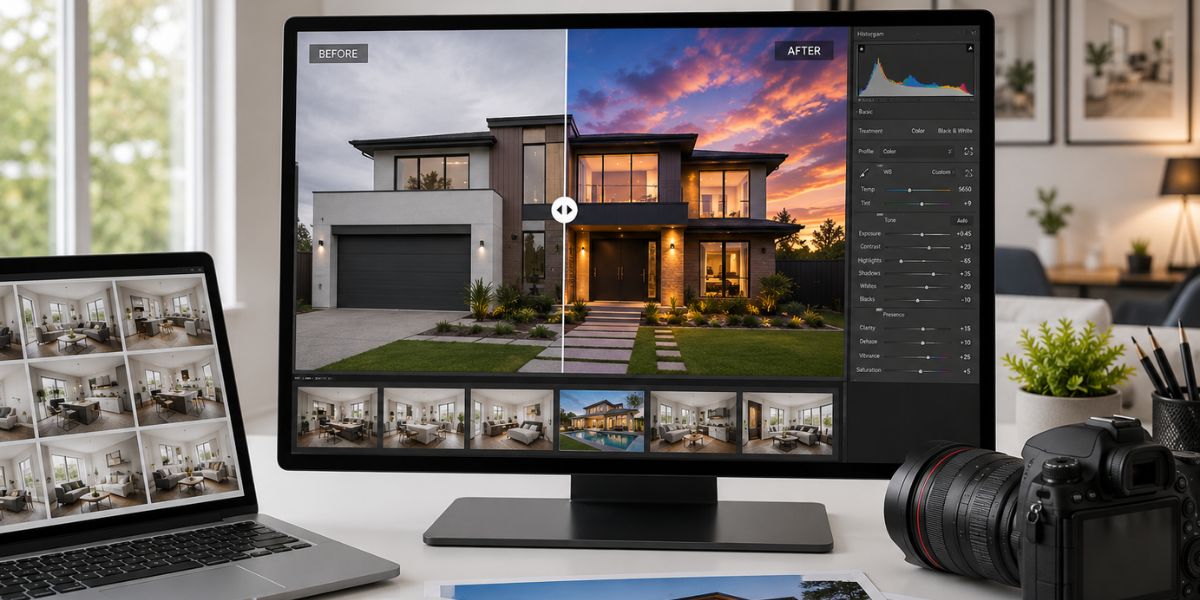
Day-to-dusk conversion continues to dominate the real estate photography industry. This editing technique transforms daytime exterior images into warm twilight scenes with glowing windows and dramatic skies. Twilight images create emotional appeal and instantly grab attention on listing platforms. Buyers often associate dusk photography with luxury, comfort, and exclusivity. According to recent industry reports, twilight-style listing photos can significantly increase property views and engagement online.
Instead of organizing expensive twilight shoots, agents now rely on professional editors and AI-assisted workflows to create realistic dusk conversions from standard daytime photos. For a modern Photo retouching company, offering day-to-dusk editing is no longer optional it’s a must-have service.
2. AI-Powered Editing Tools
Artificial intelligence is transforming every stage of Real Estate Photo Editing. AI tools are being used for automatic color correction, lighting enhancement, perspective adjustments, object removal, and image optimization. AI dramatically speeds up editing workflows while maintaining consistency across large property photo batches. Many real estate photographers now combine AI automation with manual retouching to achieve premium-quality results faster than ever before.
However, human expertise still matters. AI can improve efficiency, but professional editors are essential for ensuring realistic results, proper shadows, natural lighting, and accurate property representation. Companies like Singlesnaps combine advanced AI tools with professional editing expertise to deliver visually stunning and natural-looking property images.
3. Virtual Staging
Virtual staging has become one of the most influential Real Estate Photo Editing Trends. Empty homes often feel cold and uninviting in listing photos, making it difficult for buyers to imagine the space as a home. Virtual staging solves this problem by digitally adding furniture, décor, and interior styling to vacant rooms. Modern staging techniques are now highly realistic and tailored to different buyer demographics and property styles.
AI-powered staging tools can generate stylish interiors in minutes, but buyers increasingly prefer realistic and believable staging rather than overly perfect designs. Natural textures, warm tones, and functional layouts are trending. This trend allows agents to market properties more effectively without the high costs of physical staging.
4. Sky Replacements
Sky replacement remains one of the simplest yet most impactful editing techniques in real estate photography. A dull gray sky can make even a beautiful property look unappealing. In contrast, bright blue skies with soft clouds instantly create a more inviting atmosphere. Advanced editing tools now match lighting direction and shadows automatically for more realistic results.
Professional editors also use sky replacement to create seasonal moods, sunset effects, and luxury aesthetics that increase emotional appeal. For real estate photographers, sky replacement is now considered a standard enhancement rather than a premium add-on.
5. Decluttering and Virtual Renovations
Buyers want clean, organized, and visually spacious interiors. That’s why decluttering and virtual renovation editing are becoming increasingly popular. Editors can digitally remove personal items, cables, trash bins, stains, furniture clutter, and distracting objects from listing photos. Virtual renovation takes things further by digitally upgrading outdated kitchens, bathrooms, walls, flooring, and exterior features.
This trend is especially valuable for fixer-upper properties because it helps buyers visualize renovation potential before making a purchase decision. However, transparency is becoming more important. Industry discussions around AI-enhanced listings emphasize the need for ethical editing and proper disclosure to avoid unrealistic buyer expectations. A trusted Photo retouching company ensures edits remain realistic while still maximizing the property’s appeal.
6. Drone Photography Editing
Aerial photography continues to grow rapidly in real estate marketing. Drone shots provide a broader perspective of the property, neighborhood, landscaping, nearby amenities, and surrounding environment. Drone image editing focuses on enhancing shadows, correcting lens distortion, improving landscape colors, and creating cinematic aerial views.
Luxury listings especially benefit from drone editing because buyers want to see property scale, outdoor spaces, and location advantages clearly. Professional editing also helps stabilize drone footage, remove distractions, and improve weather conditions for more impactful visuals. As competition increases in online listings, high-quality aerial editing has become an essential part of modern Real Estate Photo Editing services.
7. 3D Floor Plans
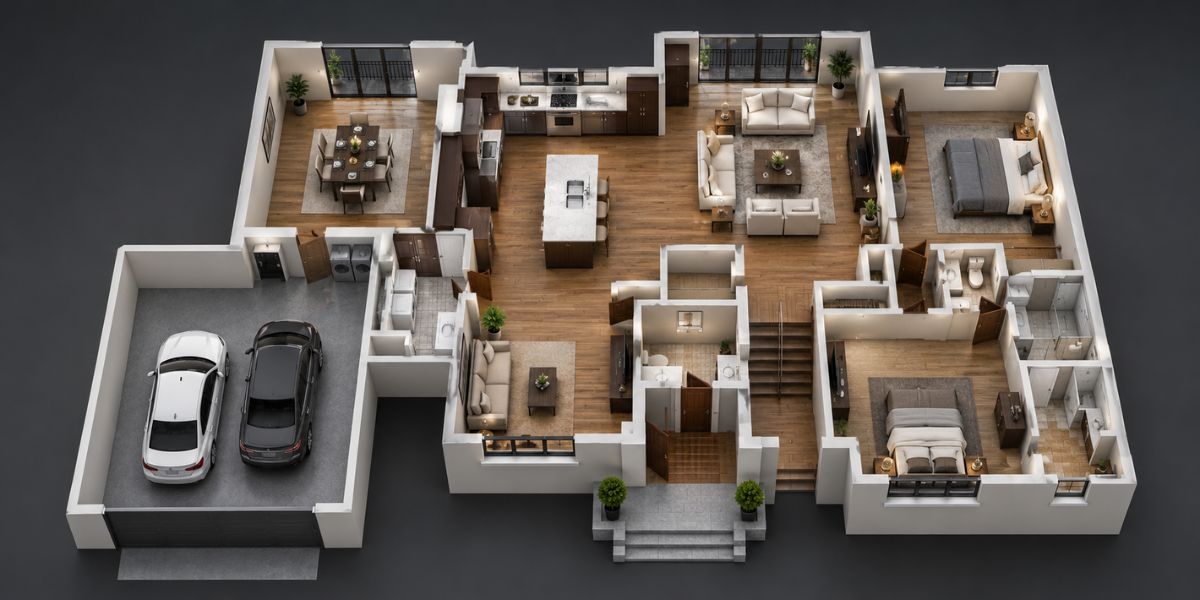
Traditional floor plans are evolving into interactive and visually enhanced 3D layouts. Buyers today expect more than static property images. They want to understand room flow, dimensions, furniture placement, and property structure before scheduling a visit. 3D floor plans provide a realistic representation of the home while helping buyers visualize how spaces connect. These plans often include textures, furniture layouts, measurements, and immersive viewing experiences.
Real estate professionals are increasingly combining 3D floor plans with virtual tours and staging to create fully interactive property presentations. This trend improves buyer engagement and helps listings stand out in crowded marketplaces.
8. Virtual Landscaping and Grass Greening
Exterior presentation plays a major role in buyer psychology. Poor landscaping, dry grass, or unfinished outdoor areas can negatively impact first impressions. That’s why virtual landscaping and grass greening are becoming highly requested editing services. Editors can digitally enhance lawns, plant flowers, add greenery, improve garden symmetry, and even redesign outdoor spaces virtually.
These enhancements help properties look cleaner, healthier, and more luxurious. Grass greening is especially useful for properties photographed during dry seasons or poor weather conditions. Combined with sky replacement and exterior retouching, virtual landscaping significantly improves curb appeal and attracts more clicks online.
9. Cinematic Real Estate Videos
Static images are no longer enough for premium listings. Cinematic real estate videos are becoming one of the fastest-growing Real Estate Photo Editing Trends. Modern buyers engage more with short-form video content across websites and social media platforms. Cinematic editing techniques such as smooth transitions, dramatic music, motion graphics, slow-motion effects, and drone sequences help create emotionally engaging property showcases.
Most video editing services now focus on storytelling rather than simple walkthroughs. Luxury homes especially benefit from cinematic presentation styles that highlight lifestyle, architecture, and atmosphere. Social media platforms like Instagram Reels, YouTube Shorts, and TikTok are also pushing real estate professionals to invest more heavily in high-quality video editing.
10. Advanced Window Masking
Window masking remains one of the most important techniques in professional real estate photography. Without proper window masking, bright outdoor light often causes windows to appear overexposed and completely white. Advanced masking techniques blend multiple exposures to preserve both interior brightness and exterior visibility.
Editors are using more sophisticated blending techniques to create natural-looking interiors while maintaining clear outdoor views. This technique is especially important for luxury properties with scenic landscapes, city skylines, ocean views, or large glass architecture. Professional window masking enhances realism and gives property images a premium, magazine-style appearance.
Final Thoughts
The future of Real Estate Photo Editing is driven by innovation, automation, and immersive visual storytelling. As buyer expectations continue to rise, high-quality editing is becoming essential for real estate success. From AI-powered enhancements and virtual staging to cinematic videos and advanced window masking, these Real Estate Photo Editing Trends are reshaping how properties are marketed.
For real estate photographers, agents, and brokers, working with a professional Photo retouching company can make a major difference in listing performance and buyer engagement. Singlesnaps helps real estate professionals create visually stunning property presentations through expert editing, virtual enhancements, and modern real estate media solutions.
